

KNEE PAIN
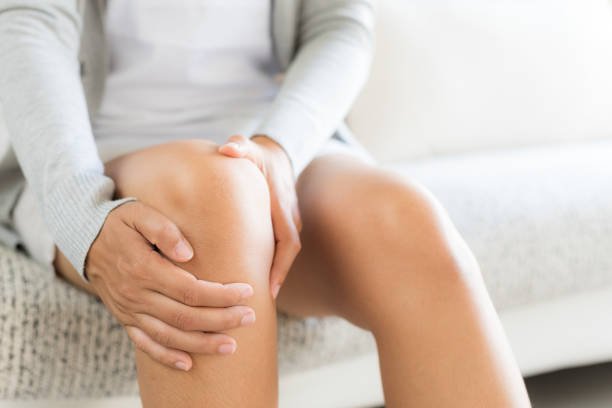
Understanding Knee Pain: Causes, Types & Early Warning Signs
The knee joint is one of the most used — and most vulnerable — parts of the body. Whether you’re walking, running, climbing stairs, or simply getting up from a chair, your knees carry the weight of your every move.
Unfortunately, knee pain has become a widespread issue — affecting not only the elderly but also young adults, athletes, and even desk workers.
This blog explores the causes, types, and warning signs of knee problems, so you can identify issues early and take the right steps toward relief.

Common Causes of Knee Pain
Knee pain can stem from injury, wear and tear, inflammation, or underlying medical conditions. Here are the most common causes:
Arthritis (Osteoarthritis, Rheumatoid Arthritis)
Ligament injuries (ACL, PCL, MCL tears)
Meniscus tear (Cartilage damage)
Tendinitis (inflammation of tendons)
Bursitis (inflammation of fluid sacs near the joint)
Kneecap misalignment or dislocation
Overuse or repetitive motion (common in athletes or labor workers)
Obesity (puts extra stress on knee joints)
Types of Knee Problems
1. Acute Injuries
These happen suddenly — often due to falls, sports, or accidents. Symptoms include swelling, sharp pain, and difficulty walking.
2. Chronic Conditions
These develop slowly over time, such as osteoarthritis or tendinitis. Pain may worsen during or after activity.
3. Mechanical Problems
These involve the way your knee moves — for example, a dislocated kneecap or bone fragments inside the joint.
4. Inflammatory Issues
Conditions like rheumatoid arthritis or lupus can cause swelling, redness, and long-term joint damage.
Early Signs You Shouldn't Ignore
Persistent pain when bending or walking
Swelling or stiffness around the knee
Feeling of instability or “giving out”
Popping or clicking sounds when moving
Limited range of motion
Difficulty standing up or climbing stairs
Pain that worsens after sitting or driving for long periods
Who Is At Risk?
Athletes (due to high-impact movement)
Elderly individuals (natural wear and tear)
Overweight people (extra pressure on joints)
People with poor posture or weak leg muscles
Those with a history of joint disease or injury

We’re here to provide the care you need
10.00 am – 04.00 pm
We understand that when you’re living with chronic pain, waiting any longer simply isn’t an option. That’s why we offer prompt appointments, Monday to Saturday from 9:00 AM to 04:00 PM, at our pain center — so you can begin your journey toward lasting pain relief as soon as tomorrow.